Main Perks of Recycling Electronics: Why You Should Not Throw Out Your Gadgets
Electronics recycling offers numerous benefits that go beyond basic disposal. Many individuals overlook the ecological damage caused by e-waste, which contains hazardous materials. Additionally, recycling can conserve valuable natural resources and generate local jobs. It also provides a way to organize homes while potentially yielding financial returns. Understanding these benefits is essential. What are the particular impacts of responsible recycling practices? The answers may astonish you.
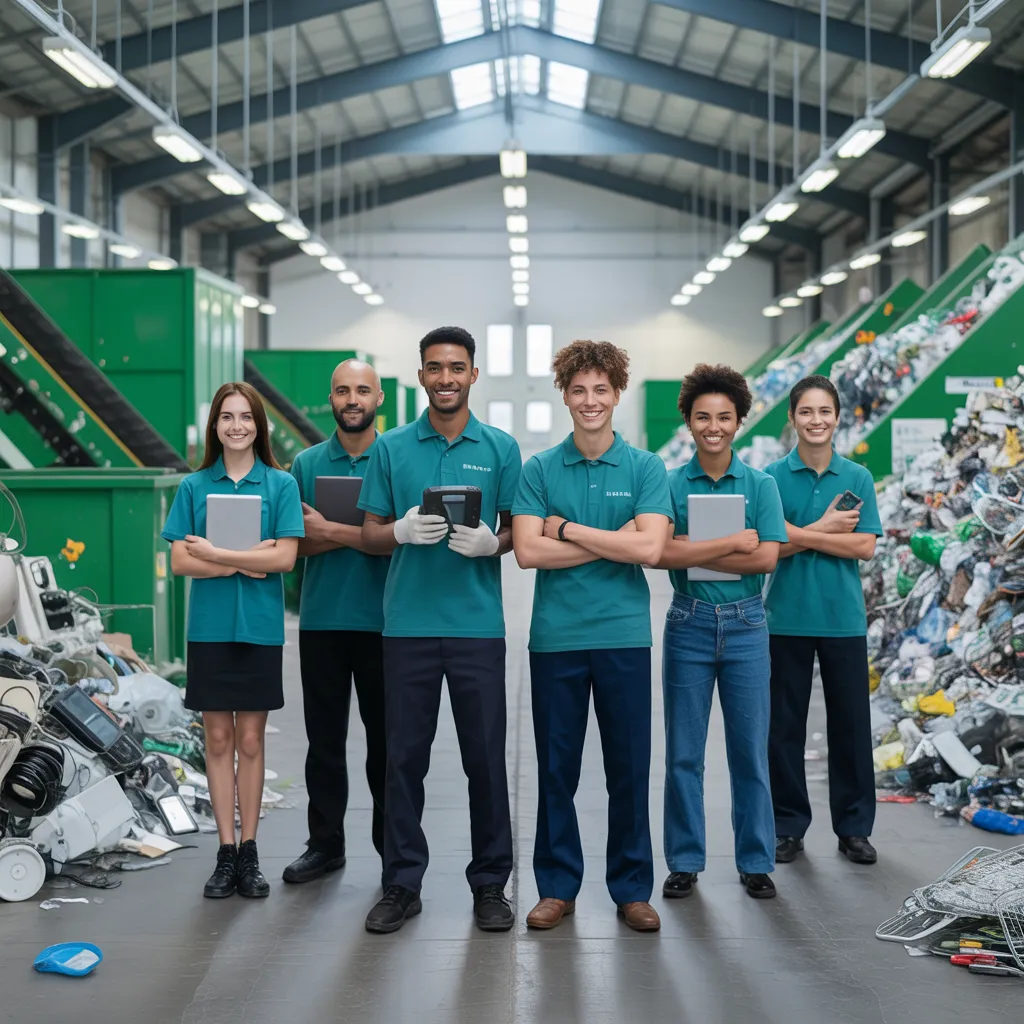
The Ecological Influence of E-Waste
As tech equipment become increasingly vital to modern life, the issue of e-waste has emerged as a significant environmental concern. Discarded electronics lead to a growing global crisis, with millions of tons of e-waste produced annually. This waste often contains hazardous materials such as lead, mercury, and cadmium, which can leach into soil and water, posing serious health risks to ecosystems and communities.
Moreover, improper disposal of e-waste compounds pollution and misuses valuable resources. Landfills overflowing with electronics can produce hazardous smoke, while the labor-intensive operations associated with manufacturing new devices cause increased carbon emissions.
The collection of e-waste not just threatens biodiversity but also affects air and water quality. As the digital age grows progressively, managing the environmental impact of e-waste through accountable recycling and disposal will be important in reducing these negative effects on the planet.
The Way Electronics Recovery Preserves Natural Resources
A substantial quantity of precious materials can be retrieved through electronics recycling, making it an critical practice for conserving natural resources. Electronic devices contain valuable metals such as gold, silver, and copper, which can be obtained and reused, reducing the need for new mining operations. Mining is often resource-intensive and damaging to ecosystems, leading to deforestation and pollution.
By recycling electronics, the demand for virgin materials decreases, conserving water, energy, and other resources applied in extraction and processing. Additionally, recycling helps to prevent hazardous substances found in e-waste, like lead and mercury, from polluting the environment.
This strategy not only lessens ecological impact but also facilitates sustainable resource management. Ultimately, electronics recycling is essential to developing a circular economy, where materials are repurposed rather than disposed of, thereby guaranteeing that environmental assets are maintained for future generations.
Local Neighborhoods Receive Advantages from Electronics Recycling
Electronics recycling provides substantial benefits for local communities by generating new job opportunities in the green economy. Additionally, it aids in environmental impact reduction, promoting cleaner and healthier living conditions. These benefits encourage a sense of collective accountability and environmental stewardship.
Employment Creation Opportunities
Converting discarded tech equipment into precious assets creates significant job opportunities within local regions. Electronics recycling facilities require a diverse personnel to coordinate the gathering, categorizing, and processing of discarded electronics. This sector not only establishes positions in recycling plants but also cultivates complementary employment in supply operations, conveyance, and sales of refurbished products. Local financial systems benefit from the influx of employment, contributing to community stability and growth. Additionally, educational courses often emerge alongside these undertakings, arming participants with competencies in technology and environmental management. As communities champion recycling efforts, the potential for career development becomes a forceful factor for participants to participate in responsible disposal practices, ultimately fostering a more environmentally sound and economically flourishing landscape.
Lowering Environmental Footprint
Electronic waste recycling is key to reducing environmental impact, leading to safer communities. Disposing of e-waste properly stops harmful materials, like Pb and mercury, from contaminating land and water systems. When electronics are recycled, valuable resources, including metals and plastics, are retrieved and repurposed, reducing the need for new raw materials. This process lowers energy consumption and greenhouse gas emissions associated with manufacturing new products. In addition, local communities benefit from enhanced public health when toxic substances do not end up in landfills. Promoting responsible recycling efforts allows neighborhoods to improve environmental quality and move towards sustainability. Electronics recycling ultimately bolsters community resilience and preserves natural ecosystems for years ahead.
How Recycling Electronics Assists You Decluttering Your Home
Recycling electronics presents a practical approach for people wanting to get rid of unused devices. By properly handling outdated gadgets, one can create valuable room in their home. This process not only minimizes clutter but also fosters a cleaner living environment.
Clear Out Inactive Devices
Getting rid of unused devices can greatly reduce clutter in a home and create a more organized living environment. Many households gather aged electronics, such as old phones, laptops, and gaming consoles, which consume limited space. By recycling these items, individuals can streamline their living areas, making it easier to find essential tools and enjoy a more orderly atmosphere. Additionally, this practice not only improves personal organization but also encourages responsible disposal of hazardous materials present in electronics. Engaging in electronics recycling guarantees that these devices are processed properly, preventing potential harm to the environment. Ultimately, clearing out unused gadgets fosters a sense of accomplishment and supports a more minimalist lifestyle, enhancing overall well-being.
Build Increased Room
Shifting a cluttered area into an ordered sanctuary begins with the thoughtful disposal of aging devices. Countless households gather older electronics that not only occupy important space but also contribute to a disorganized environment. By engaging in electronics recycling, individuals can effectively reclaim this space and promote a more serene atmosphere. Recycled devices are commonly dismantled, allowing for the recovery of materials that can be repurposed, thereby avoiding junk from ending up in landfills. This process not only clears unwanted clutter but also delivers peace of mind, knowing that the devices are being disposed of conscientiously. Ultimately, device recycling establishes a more organized home while championing environmental responsibility, making it a mutual gain for both homeowners and the planet.
Economic Advantages of Electronics Recycling
Properly recycling electronics offers noteworthy financial advantages for both consumers and companies.) Proper disposal of old electronics enables individuals to recoup some of their investment through resale or trade-in programs. Many retailers and manufacturers offer incentives, providing cash or discounts on new purchases when customers recycle their outdated gadgets.
For companies, electronics recycling can lead to financial benefits by decreasing waste removal costs and lowering landfill taxes. Additionally, organizations dedicated to sustainable practices can improve their brand image, attracting green-minded consumers.
Additionally, reclaimed materials from recycled electronics, such as metals and plastics, can be utilized, lowering reduced production costs in new devices. This not only produces profit for recycling firms but also supports a circular economy, ultimately advantaging the broader community. By implementing electronics recycling, both individuals and businesses can realize tangible financial savings while encouraging environmental sustainability.
Learn How to Recycle Your Old Electronics the Proper Way?
Properly disposing of old electronics requires careful consideration to guarantee both environmental responsibility and compliance with regulations. Individuals should initiate by recognizing community e-waste recycling programs, which regularly extend convenient drop-off centers or collection events. Countless municipalities and retailers present safe disposal options for worn-out gadgets.
Prior to recycling, it is vital to secure all private information and execute a factory reset on devices to preserve privacy. Furthermore, extracting batteries from electronics is necessary, since they need separate handling because of their dangerous components.
Furthermore, people should avoid placing electronics in standard garbage containers, as this can add to landfill waste and environmental contamination. Investigating certified e-waste recyclers is advisable, as these organizations adhere to correct protocols to guarantee responsible recycling. By implementing these measures, individuals can help create a sustainable future while ensuring that their old electronics are disposed of responsibly.
Popular Misconceptions About Electronics Recycling Debunked
What are some common false beliefs regarding the procedure of electronics recycling? Many people wrongly believe that all electronic gadgets are recycled similarly. In reality, recycling techniques differ significantly based on the type of gadget and materials involved. Another common myth claims recycling electronics is not beneficial for the environment. In truth, proper recycling prevents hazardous materials from contaminating landfills and recovers valuable resources. Some also think that recycling is too complicated, but numerous facilities offer straightforward drop-off options or pickup services. Another widespread belief is that only outdated or complete information broken electronics should be recycled. However, even functioning devices can be refurbished and reused, extending their lifecycle. Finally, many consumers think recycling electronics costs a lot. In numerous cases, recycling programs are free or offer incentives. Debunking these myths helps promote responsible disposal and encourages more individuals to engage in electronics recycling.
Frequently Asked Questions
What Types of Electronic Devices Can Be Recycled?
Various electronics such as smartphones, computers, televisions, printers, and tablets can be recycled. Moreover, peripherals like keyboards, mice, and chargers are also accepted, assisting in minimizing waste and the recovery of valuable materials for reuse in new products.
Do Costs Apply When Reprocessing Electronics?
Recycling electronics fees can differ. Some facilities charge a small charge for specific items, while some provide no-cost options. It is wise to contact nearby recycling facilities for their specific terms and conditions.
Is It Possible to Donate My Old Electronics As an Alternative?
Yes, old devices can typically be given to charitable organizations, schools, or community organizations. Many groups take operational gadgets, giving a new purpose for electronics while assisting those in difficulty, thereby advancing eco-consciousness and social assistance.
What Steps Confirm My Data Gets Wiped?
To guarantee data is wiped, one must use programs intended for confidential data destruction, conduct a manufacturer reset, or permanently damage the storage device. Each method ensures that personal information proves off-limits to others.
What Occurs to Recycled Electronics?
Recycled electronics are disassembled, where precious materials are recovered. Elements including metals, plastics, and glass are treated for reuse, cutting down on landfill accumulation and supporting sustainable resource recovery while lowering environmental impact and protecting natural resources.